
When we discuss block paving edging, we’re not just talking about the boundary of a pathway or driveway; it’s about crafting a durable yet aesthetically pleasing frame that complements the main paving. With options ranging from classic brick to sleek metal, each material brings its unique qualities to the table. We’ve seen how the right choice can enhance the longevity and visual appeal of a landscape project, but what are the specific advantages of each type? And how do these choices stand up to the practical demands of weather and wear? Let’s explore these pressing questions together.
Understanding Block Paving Edging
Block paving edging, necessary for both functional integrity and aesthetic appeal, defines the boundaries and enhances the durability of paved areas. We’ve observed the pivotal role edging plays in preventing the drift of paving materials and maintaining clean lines that define landscaping design. The benefits of edging extend beyond mere containment; they also include increased longevity of the pavement by ensuring stability and resistance to weather-related wear and tear.
Understanding the importance of edging, we delve into exploring different styles that cater to various aesthetic and functional demands. From simple brick edges that echo the traditional look to contemporary metal borders, the choice significantly impacts the overall vibe of the space. Each style not only serves a practical purpose but also complements the visual narrative of the area.
Cost considerations are crucial in our decision-making. The range in materials and complexity of designs means that costs can vary widely, making it necessary for us to balance budget with expectations. We often face the decision of DIY vs professional installation. While DIY can be cost-effective and gratifying, professional installation guarantees precision and longevity, especially in technically demanding designs. Choosing between these options requires careful assessment of skill level and the scale of the project.
Material Choices for Edging

As we consider the diverse materials available for block paving edging, it’s important to assess their aesthetic appeal, durability, and installation techniques. The choice between brick and concrete, for instance, often boils down to the desired visual impact and longevity. Brick offers a classic, warm look but requires more maintenance than concrete, which provides a broader range of color and finish options.
When comparing stone versus metal, we’re looking at natural beauty against sleek, contemporary durability. Stone edgings blend seamlessly with traditional landscapes, offering unique textures and colors. Metal, often in the form of steel or aluminum, brings clean lines and modernity, with excellent resistance to rust and deformation.
Wood versus plastic presents a debate between organic charm and synthetic practicality. Wood edges naturally integrate with garden aesthetics but need regular treatment to resist rot. Plastic, however, offers a durable, low-maintenance alternative, often manufactured to mimic real wood or stone textures.
Finally, the decision between curved versus straight edges affects spatial perception. Curved lines create a soft, natural flow, ideal for cottage-style gardens, whereas straight edges offer a crisp, orderly appearance, suitable for formal designs.
| Material Contrast | Key Considerations |
|---|---|
| Brick vs. Concrete | Aesthetics, Maintenance, Color Range |
| Stone vs. Metal | Natural Look vs. Modern Durability |
| Wood vs. Plastic | Organic Appeal vs. Synthetic Utility |
| Curved vs. Straight | Spatial Perception and Style Fit |
Choosing between natural and synthetic materials also impacts the environmental footprint and local ecosystem compatibility.
Installation Techniques
CURRENT SUBTOPIC: ‘Installation Techniques’
We’ll now explore the various techniques used to install block paving edgings, focusing on precision and aesthetic integration. Proper installation is critical not only for the longevity of the paving but also for achieving a seamless look that complies with the planned design.
Here are the key steps in the installation process:
- Cutting Techniques: Precision cutting is essential to guarantee that the blocks fit snugly against each other and the borders. We use specialized tools to cut the paving materials, which allow for intricate border patterns and a clean, crisp edge necessary for a polished finish.
- Edge Finishing: After the blocks are properly laid and cut, edge finishing is applied to enhance the overall look. This involves refining the edges to ensure they’re smooth and well-aligned. Techniques such as beveling or bullnosing are often employed to add a decorative touch and improve the tactile quality of the borders.
- Sealing Options: Once the edging is in place and the design is complete, applying a sealant is recommended. Sealing not only protects the pavement from weather elements but also enhances the color and texture of the materials, guaranteeing that the aesthetic appeal lasts.
These steps, when executed with care and attention to detail, result in a beautifully integrated and durable block paving installation.
Maintenance and Durability
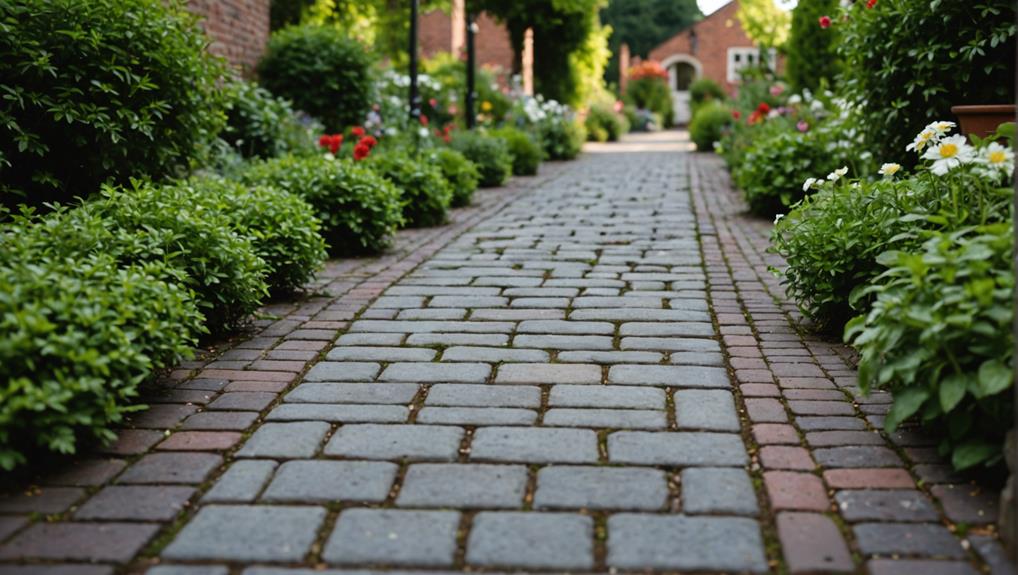
We’ll now explore the key aspects of maintaining and ensuring the durability of block paving to preserve its aesthetic appeal and structural integrity. Regular maintenance is essential in extending the lifespan of your paving and keeping it looking pristine.
Firstly, addressing and repairing cracks promptly is crucial. Cracks can be not only unsightly but also a gateway for weeds and water that can undermine the base of your paving. We recommend regular inspections to catch any damage early.
Sealing protection offers a robust barrier against various elements. A good quality sealant not only enhances weather resistance but also prevents color fading caused by UV rays. This is vital for maintaining the vibrant hues of your paving blocks.
Weed prevention is another important aspect of maintenance. Weeds can displace the blocks over time, so it’s important to use a weed preventative measure between the joints. This also helps in keeping the aesthetic uniformity intact.
Lastly, the weather resistance of your paving can be bolstered by choosing blocks suited to your local climate and ensuring drainage is well managed to avoid water logging. By adhering to these maintenance steps, we guarantee our block paving remains functional and visually appealing for years.
Design Ideas and Inspiration
Design Ideas and Inspiration
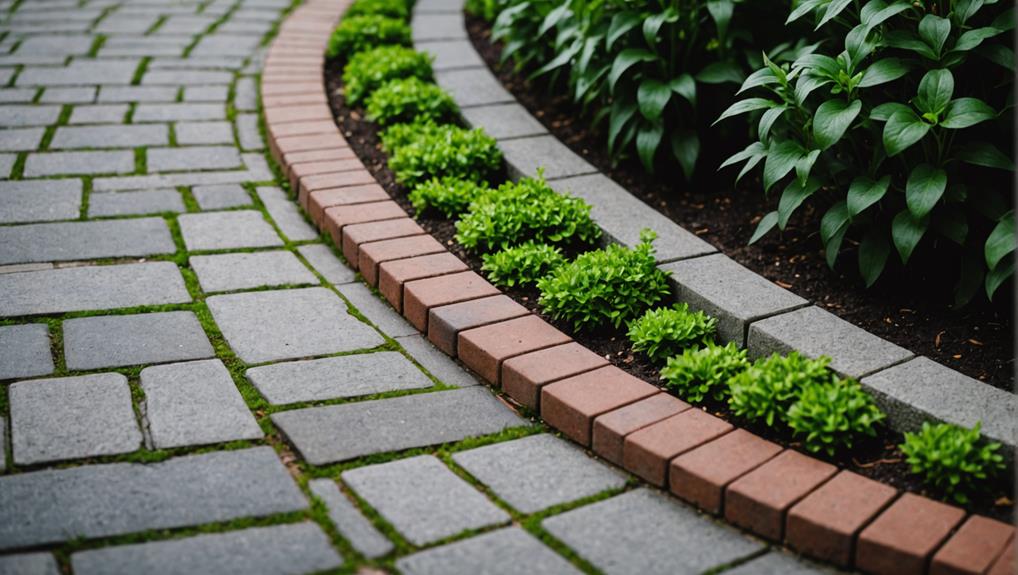
Exploring block paving’s design possibilities opens up a myriad of aesthetic options that can transform any outdoor space. We’ve seen how meticulously chosen designs can elevate the functional to the spectacular. Let’s immerse ourselves in some specific ideas that can inspire your next project:
- Creative Patterns and Color Combinations
- Experiment with herringbone or basketweave patterns, not only for their timeless appeal but also for their ability to endure heavy traffic.
Introduce bold color combinations to delineate different areas, such as warm terracottas against cool greys, creating a vibrant contrast that captivates and welcomes.
- Unique Shapes and Border Textures
- Step beyond the typical rectangles and squares. Opt for hexagons or irregular shapes that can interlock in fascinating layouts, providing a modern twist to classical designs.
Borders add a refined finish, so consider incorporating cobblestone textures or smooth polished edges for a sharp, defined look.
- Plant Integration
- Soften the rigid lines of block paving by integrating plants directly into the design.
Positioning low-growing herbs or moss between the stones not only enhances aesthetic appeal but also contributes to sustainability by allowing water permeation and attracting beneficial pollinators.
These elements combine to create not just a path, but a journey through your outdoor space.
Conclusion
To sum up, we grasp that the devil is in the details when it comes to selecting and installing the perfect block paving edging. By picking the correct materials and employing careful installation techniques, we secure both beauty and durability.
Routine upkeep additionally assures our edging stays immaculate and operational. Let’s draw inspiration from a mixture of tradition and innovation to craft edging that not only defines our spaces but also mirrors our sophisticated aesthetic sensibilities.
Planning a tarmac driveway in Leeds? You might be asking, "How far does a single ton of tarmac go?" Knowing Read more

Have you ever seen surfaces that let rainwater pass through? These are permeable pavements. They are a green choice compared Read more

Wondering about the maximum gradient for permeable paving? Discover how slope impacts effectiveness and what you need to consider for Read more